
A growing body of scientific research has revealed that cooling additives in e-cigarettes, long utilized to create popular “ice” flavors, may trigger irregular heartbeats and cardiovascular stress. This discovery comes as researchers shift focus from nicotine addiction to the systemic health impacts of synthetic flavoring chemicals.
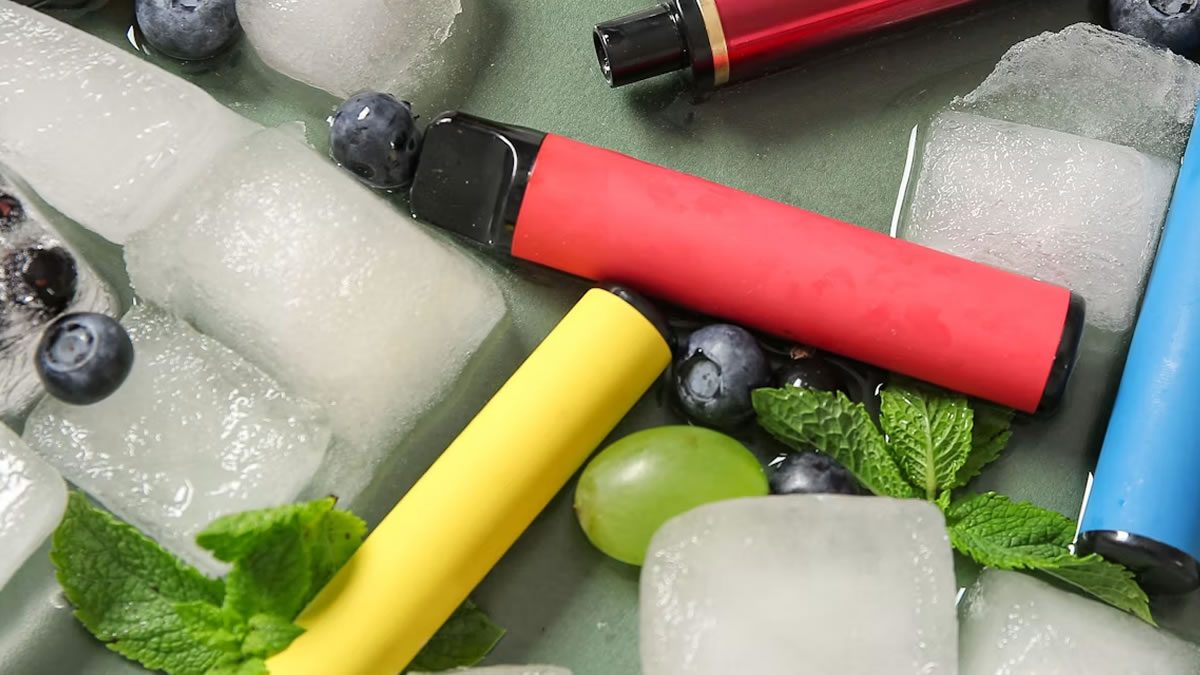
Popular “ice” flavours rely on menthol or synthetic cooling agents like WS-3 and WS-23. Rather than actually lowering the temperature of the vapor, these compounds activate the TRPM8 receptor—the body’s cold sensor—effectively tricking the brain into registering cold. This sensory illusion makes the aerosol feel smoother, encouraging users to inhale more deeply and vape more frequently.
However, TRPM8 receptors are not confined to the mouth and airways; they exist throughout the human body, including the cardiovascular system. A recent study in mice demonstrated that exposure to menthol-containing e-cigarette aerosols significantly raised heart rates and blood pressure.
Furthermore, the exposure increased ventricular premature beats—irregular heartbeats indicating stress on the heart’s electrical system. The study also identified elevated levels of epinephrine, the primary hormone driving the body’s acute fight-or-flight response. Alarmingly, some of these cardiovascular disruptions persisted long after the exposure ended, with altered heart rhythm regulations detectable weeks later.
Beyond heart rhythm disruptions, researchers are investigating how these cooling agents impact blood vessels. The endothelial cells lining our blood vessels regulate blood flow, clotting, and inflammation. Laboratory studies suggest that e-cigarette flavoring chemicals can directly damage these cells, inducing cellular stress and making them more likely to die—even in the complete absence of nicotine.
Because endothelial damage is a primary precursor to cardiovascular disease, these findings suggest that cooling agents may pose a comprehensive threat to the entire circulatory system.
The rapid evolution of the vape market complicates regulatory oversight. Manufacturers are increasingly adopting synthetic cooling agents that deliver an intense “icy” sensation without a distinct mint taste. This allows fruit, beverage, and dessert flavors to maintain a refreshing finish, despite a lack of comprehensive safety data on inhaling these compounds.
Public health experts warn that ingestion safety does not equate to inhalation safety. Chemicals absorbed through the lungs bypass protective digestive barriers and enter the bloodstream directly. While larger human studies are still required to definitively link cooling flavors to clinical heart disease, the current evidence proves these compounds are far from biologically inert.