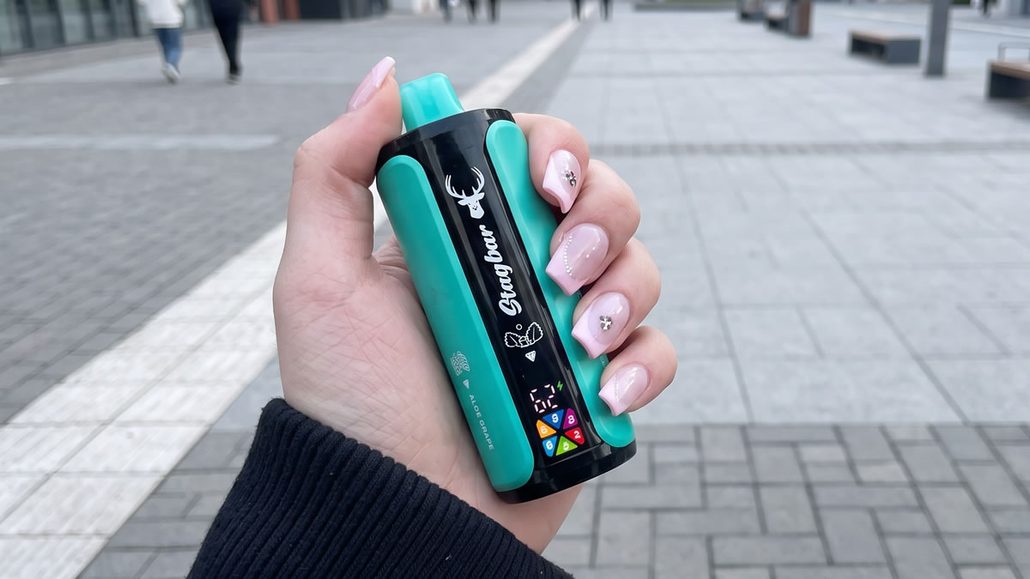
A study from Boston Children’s Hospital reveals that nicotine exposure among vaping teenagers nearly tripled in late 2024. This sudden spike is driven by newer disposable vapes and pod-based devices that use highly concentrated nicotine salts and chemical cooling agents to enable deeper inhalation.
- Tripled Exposure: Average urine cotinine levels—a key biomarker of nicotine—jumped from 1,062 ng/mL to 2,959 ng/mL after October 2024.
- Product Evolution: High-capacity disposable vapes and smooth nicotine salts allow adolescents to consume massive chemical doses without immediate throat irritation.
- Brain Development Risks: Psychiatrists warn that flooding undeveloped adolescent brains with high-dose nicotine will likely trigger cognitive and behavioral issues that manifest over the next decade.
Researchers at Boston Children’s Hospital have found that modern vaping devices are delivering increasingly heavy doses of addictive nicotine to teenagers. Published in JAMA Psychiatry, the study reveals that average urine levels of cotinine—the primary metabolite of nicotine—nearly tripled among adolescent patients over a span of just a few months in late 2024.
The research team, led by Dr. Sharon Levy, chief of addiction medicine at Boston Children’s Hospital, analyzed the health records of 150 patients aged 13 to 19 who were treated for substance use disorders between 2023 and 2025. The dataset included more than 1,900 urine test results.
The data showed a sharp, abrupt spike in nicotine exposure. Prior to October 2024, the average maximum cotinine concentration in the teens’ urine was 1,062 nanograms per milliliter (ng/mL). By early 2025, that average skyrocketed to 2,959 ng/mL. Every teenager with these elevated levels reported active e-cigarette use.
| Time Period | Average Urine Cotinine Level | Primary Device Characteristics |
|---|---|---|
| Before October 2024 | 1,062 ng/mL | Standard pod systems, lower tank capacities. |
| Late 2024 to early 2025 | 2,959 ng/mL | High-concentration nicotine salts, larger disposable tanks, cooling agents. |
This rapid increase is driven by product design. Modern e-cigarettes utilize nicotine salts, which allow for higher nicotine concentrations without the harsh throat irritation associated with traditional freebase nicotine. Additionally, disposable devices now feature larger fluid tanks, encouraging more frequent use.
Chemical additives also play a major role in driving deeper inhalation. Manufacturers use cooling agents to mask the naturally bitter taste of concentrated nicotine. Dr. Manassa Hany, director of addiction psychiatry at Northwell Health, compared this to adding milk and sugar to bitter coffee to make high caffeine doses palatable.
Medical experts warn that the consequences of exposing developing brains to such high chemical doses may not appear immediately. Instead, cognitive deficits, attention issues, and mood disorders are likely to manifest over the next decade, making the root cause difficult to trace.
To address this public health issue, experts suggest that regulators must step in to restrict maximum nicotine limits in commercial vapes and ban cooling agents that facilitate easy inhalation.