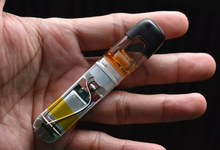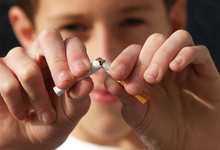
Electronic cigarettes, once marketed as a safer alternative to smoking, face an impending ban in Ukraine. The Ministry of Health is initiating legislative changes to restrict these devices, particularly among youth. This policy shift follows data showing that nearly a third of teenagers in major Ukrainian cities have used vapes.
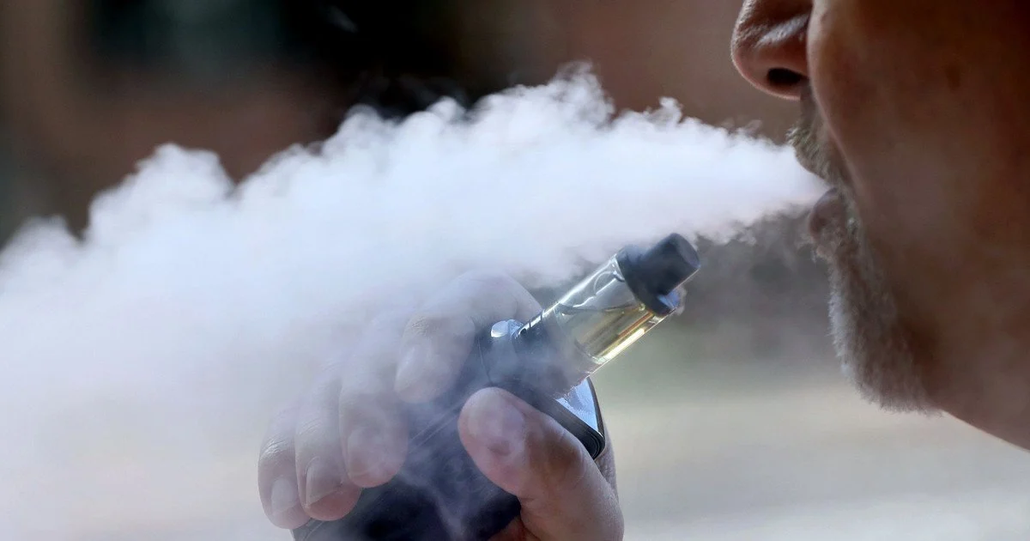
According to the Center for Public Health of the Ministry of Health of Ukraine, 28% of teenagers aged 13 to 17 have tried vaping, and 18% use them regularly. This represents a two-fold increase in youth vaping over the past three years, raising concerns that e-cigarettes act as a gateway to traditional smoking.
Severe Lung Injuries and Cardiovascular Risks
Medical professionals warn that vaping causes severe respiratory conditions, including chronic obstructive pulmonary disease (COPD), alveoli inflammation, and lipoid pneumonia. In the United States, the Centers for Disease Control and Prevention (CDC) documented over 2,800 cases of E-cigarette or Vaping Use-Associated Lung Injury (EVALI) and 68 deaths between 2019 and 2021. Many cases involved vitamin E acetate, a common additive in counterfeit cartridges.
Clinical cases highlight the sudden onset of these illnesses. In Texas, a healthy 17-year-old athlete was placed in a medically induced coma for 10 days after his lungs failed due to vaping. Another case in the US involved a 45-year-old patient hospitalized after coughing up 1.5 liters of blood from vape-induced lung damage.
Beyond lung damage, research from Johns Hopkins University indicates that vaping impairs endothelial cells lining the blood vessels. This leads to arterial narrowing, elevated heart rates, and high blood pressure, raising the risk of cardiovascular disease.
Comparing Nicotine Delivery Methods
Consumers typically utilize three primary nicotine delivery systems, none of which are safe:
- Combustible Cigarettes: Burn tobacco at 600–900°C, releasing smoke filled with tar, carbon monoxide, heavy metals, and carcinogens.
- E-Cigarettes (Vapes): Heat a liquid solution containing nicotine and flavorings to create an aerosol. While free of tar, the vapor contains toxic compounds like formaldehyde and propylene glycol.
- Heated Tobacco Products (IQOS/Glo): Heat real tobacco to approximately 350°C. Though this process avoids combustion, the resulting aerosol still contains harmful substances that impact the heart and lungs.
Ukraine’s Legislative Crackdown and Fines
Ukraine has implemented strict measures under Law No. 1978-IX to curb the vaping epidemic. The law prohibited the sale of flavored e-cigarettes and liquids, banned advertising for vapes and tobacco heating devices, and outlawed promotional sponsorships. A grace period allowing retailers to clear remaining stock expired on July 11, 2024, putting the full ban into effect.
Additionally, vaping is banned in public spaces, including restaurants, schools, public transport, and playgrounds. The government has established clear penalties for non-compliance:
- Sales to Minors: Fines of UAH 1,020, rising to UAH 10,200 for repeat offences.
- Selling Flavored Products: Fines start at UAH 20,000, increasing to UAH 50,000 for subsequent violations.
- Illegal Advertising: Fines ranging from UAH 30,000 to UAH 50,000.
Treating vape-related lung injuries costs Ukraine’s healthcare system between UAH 30,000 and UAH 70,000 per patient, adding strain to the national budget. According to the WHO Global Youth Tobacco Survey, e-cigarettes serve as the initial source of nicotine addiction for 78% of young users, prompting governments worldwide to take action.