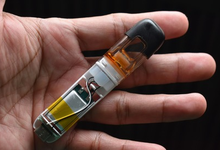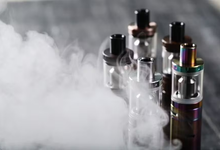
Medical specialists caution that electronic cigarettes carry distinct health dangers despite marketing campaigns presenting them as harmless lifestyle products. While e-cigarettes avoid the combustion chemicals found in traditional tobacco, their aerosol emissions deliver high concentrations of nicotine alongside chemical irritants that impair blood vessel function and airway health.

Chemical Exposure and Cardiovascular Damage
Nicotine exposure from vaping accelerates heart rates and elevates blood pressure. Early clinical research shows consistent links between regular e-cigarette use and vascular dysfunction, raising concerns about elevated risks of heart attacks, stroke, and vascular dementia.
Aerosols produced during vaporization contain ultrafine particles, heavy metals, and reactive carbonyl compounds. These chemical agents induce airway inflammation. Clinical studies associate vaping with chronic respiratory symptoms, with ongoing medical investigations evaluating potential links to chronic obstructive pulmonary disease (COPD) and cellular mutations.
The Dilemma of Missing Long-Term Data
Health organizations, including the German Cancer Research Center (DKFZ), recognize that adult smokers who switch completely to e-cigarettes absorb fewer combustion toxins, such as carbon monoxide and tar. However, Dr. med. Adrian Böhm emphasizes that lower toxic exposure does not make vapes harmless.
Because modern e-cigarettes represent a recent market development, scientific studies tracking decades of usage do not yet exist. Researchers cannot yet establish the exact long-term incidence rates for oral and lung cancers among exclusive vapers.
Youth Appeal and Regulatory Action
A central concern for healthcare authorities is device design and marketing. Bright packaging and sweet flavor options attract adolescents, creating early nicotine dependency in users who never smoked cigarettes. Medical experts urge lawmakers to implement advertising limits and strict youth protection policies to prevent escalating public health expenditures.