Falling smoking rates, tighter regulations, and shifting consumer preferences are eroding the dominance of traditional cigarettes. As the combustible market contracts, manufacturers and consumers are turning to alternative delivery methods, with oral nicotine pouches establishing a distinct footprint alongside electronic cigarettes and heated tobacco devices.
Nicotine pouches are placed between the upper lip and gum, where nicotine is absorbed directly through the oral mucosa. Unlike traditional Swedish snus, modern nicotine pouches contain no tobacco leaf, relying instead on nicotine salts or synthetic nicotine combined with plant-based fibers and flavorings. This design eliminates combustion, smoke, ash, and odor.
Market Comparison: Cigarettes…
Turkey’s Ministry of Health has drafted legislation to tighten restrictions on cigarettes, e-cigarettes, and heated tobacco products. Expected to reach the Grand National Assembly of Turkey (TBMM) in November following presidential review, the bill introduces retail controls and targets a complete phaseout of tobacco sales by 2040.
Hidden Retail Displays and Digital Age Checks
The proposed measures change how tobacco and vapor products are marketed and sold in retail outlets:
Concealed Storage: Retailers can no longer display tobacco products openly; all stock must be stored in closed, non-visible cabinets.
Digital Age Verification: Transactions must be processed through automated systems that…
An updated systematic review by Cochrane has determined that regulated nicotine e-cigarettes help more people stop smoking than traditional nicotine replacement therapies (NRT), such as patches and gum. With combustible tobacco smoking responsible for more than 7 million preventable deaths globally each year, the findings offer strong evidence for alternative harm-reduction strategies.
The analysis evaluated data from 80 randomized controlled trials involving 29,861 participants, incorporating nine new trials in its latest release. The researchers found high-certainty evidence demonstrating that e-cigarettes consistently produce higher cessation rates than conventional methods.
Comparing Cessation Rates Across Quit Methods
The evidence indicates that nicotine e-cigarettes…
The U.S. Food and Drug Administration (FDA) has authorized Juul Labs to market its new Juul2 e-cigarette system. This decision marks the first federal approval for an updated Juul device in over a decade, introducing optional age-verification technology designed to restrict underage use.
The regulatory clearance allows Juul to sell the new device alongside updated tobacco and menthol cartridges. The company previously paid nearly $3 billion to settle lawsuits regarding youth marketing and discontinued popular flavors like mango and mint in 2019.
Juul CEO KC Crosthwaite stated that the company plans to seek authorization for “a flavor portfolio beyond tobacco…
The European Commission has drafted a reform of the Tobacco Excise Directive (TED) to increase minimum excise taxes on traditional cigarettes by 139% and introduce the first EU-wide minimum tax rates for next-generation products (NGPs). The proposal targets alternative nicotine products, including e-cigarettes, heated tobacco, and nicotine pouches, which the Commission states have outpaced current regulations.
Currently, the Council of the EU is negotiating the draft. Because the European Parliament did not issue a formal opinion in June 2026, the reform requires unanimous approval from all 27 EU member states to take effect.
Brussels bases these measures on health and…
The UK government has issued a summer travel advisory warning passengers that vapes and power banks must be packed in cabin baggage rather than checked luggage. Released on August 21, the directive aims to prevent onboard fire hazards caused by lithium batteries.
In a public social media statement, officials stated: “If you’re travelling with power banks or vapes this summer, make sure you know where to pack them! Power banks and vapes must be taken onboard with you into the aircraft cabin. They can’t be packed into checked luggage.”
Why Lithium Batteries Face Cabin Restrictions
Power banks and e-cigarettes rely…
Germany has implemented a nationwide take-back mandate for disposable e-cigarettes to combat growing environmental and safety hazards. Effective July 2026, the regulation forces all retailers—including kiosks, gas stations, and online shops—to accept used vapes for proper recycling, regardless of the original point of sale.
While the German government currently favors recycling over outright sales bans, several other European Union member states are already exploring or enacting complete bans on disposable vaping devices.
Addressing the Environmental and Fire Risks of Disposable Vapes
Disposable vapes, legally classified as “related products” under Section 2 of the German Tobacco Products Act, also fall under…
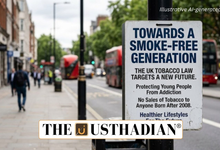
The UK Parliament has approved the Tobacco and Vapes Bill 2026, establishing a lifetime ban on tobacco sales for anyone born on or after January 1, 2009. Awaiting Royal Assent to officially become law, this policy aims to phase out smoking entirely for future generations while imposing strict rules on vaping.
Under the UK’s constitutional monarchy, the bill requires formal approval by the monarch through Royal Assent before taking effect. Once active, the policy shifts the nation’s public health strategy from short-term regulation to permanent prevention.
How the Generational Smoking Ban Works
The core of the legislation is a progressive…
Electronic cigarettes, once marketed as a safer alternative to smoking, face an impending ban in Ukraine. The Ministry of Health is initiating legislative changes to restrict these devices, particularly among youth. This policy shift follows data showing that nearly a third of teenagers in major Ukrainian cities have used vapes.
According to the Center for Public Health of the Ministry of Health of Ukraine, 28% of teenagers aged 13 to 17 have tried vaping, and 18% use them regularly. This represents a two-fold increase in youth vaping over the past three years, raising concerns that e-cigarettes act as a gateway to…
A study from Boston Children’s Hospital reveals that nicotine exposure among vaping teenagers nearly tripled in late 2024. This sudden spike is driven by newer disposable vapes and pod-based devices that use highly concentrated nicotine salts and chemical cooling agents to enable deeper inhalation.
Tripled Exposure: Average urine cotinine levels—a key biomarker of nicotine—jumped from 1,062 ng/mL to 2,959 ng/mL after October 2024.
Product Evolution: High-capacity disposable vapes and smooth nicotine salts allow adolescents to consume massive chemical doses without immediate throat irritation.
Brain Development Risks: Psychiatrists warn that flooding undeveloped adolescent brains with high-dose nicotine will likely trigger cognitive and behavioral issues…