
Germany has implemented a nationwide take-back mandate for disposable e-cigarettes to combat growing environmental and safety hazards. Effective July 2026, the regulation forces all retailers—including kiosks, gas stations, and online shops—to accept used vapes for proper recycling, regardless of the original point of sale.
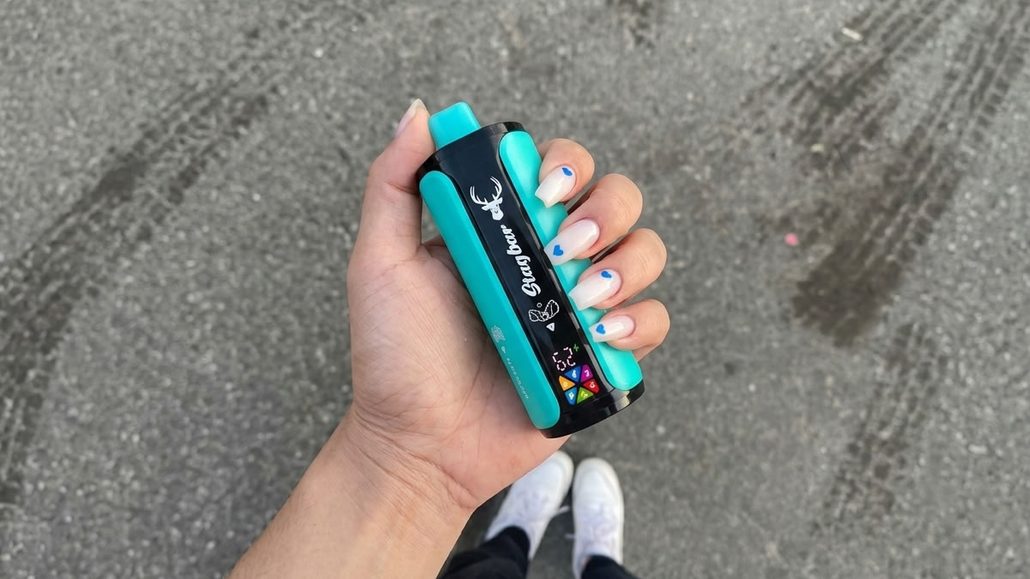
While the German government currently favors recycling over outright sales bans, several other European Union member states are already exploring or enacting complete bans on disposable vaping devices.
Addressing the Environmental and Fire Risks of Disposable Vapes
Disposable vapes, legally classified as “related products” under Section 2 of the German Tobacco Products Act, also fall under electrical equipment laws due to their built-in batteries. Discarding these devices in household trash poses severe risks. When lithium-ion batteries are mechanically crushed in waste collection trucks or sorting facilities, they can ignite, causing dangerous fires.
Additionally, language barriers present a unique challenge. Studies show that individuals with immigrant backgrounds smoke or vape at higher rates than those without foreign roots. A lack of German language skills increases the risk of accidental illegal disposal. Consumer advocates have long called for multilingual information campaigns to address this gap.
Retailer Obligations Under the Updated ElektroG Law
The new take-back obligation is based on an amendment to the Electrical and Electronic Equipment Act (ElektroG), detailed in government documents Drucksachen 494/24 and 401/25. Under this law, consumers can return empty vapes to any local seller. Online distributors must also provide clear return pathways.
Strict Nicotine Limits and Youth Protection Standards
The take-back mandate operates alongside existing German youth protection laws. Selling nicotine-containing e-cigarettes and liquids to anyone under 18 is strictly illegal in both physical and mail-order retail. Online shops must verify age using digital ID checks or age-verification delivery methods.
Furthermore, Germany enforces the EU Tobacco Products Directive, which limits e-liquids to a maximum nicotine strength of 20 mg/ml and caps tank capacities at 2 ml. Products exceeding these limits are illegal in the EU market and often bypass safety controls, posing additional health risks to consumers.
| Regulatory Category | German Legal Standard |
|---|---|
| Minimum Sales Age | 18 years old (strictly enforced online and offline) |
| Maximum Nicotine Strength | 20 mg/ml (as per EU Tobacco Products Directive) |
| Maximum Tank Volume | 2 ml for disposable vapes and cartridges |
| Disposal Requirement | Free retailer take-back or municipal e-waste collection |
What Consumers Should Check Before Purchasing
To ensure compliance and avoid counterfeit products, buyers should look for four indicators:
- Age Verification: Legitimate sellers require identity checks during registration or delivery.
- Recycling Options: Retailers must clearly state how they accept used devices.
- Product Authenticity: Reputable brands provide QR codes on packaging to verify authenticity.
- Clear Labeling: Legal packaging must display exact nicotine concentrations (maximum 20 mg/ml) and health warnings.
Verifying these points before buying reduces the risk of acquiring non-compliant or counterfeit products