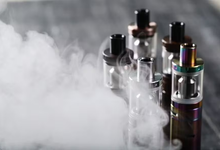
Discarded vapes are triggering an estimated 1,200 fires per year across UK waste and recycling facilities. Despite the national ban on single-use vapes enacted in June 2025, millions of battery-powered devices continue to contaminate general rubbish streams, creating hazardous conditions for waste operators and emergency services.
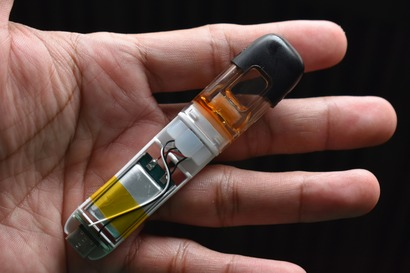
New data from Material Focus indicates that 23% of all UK waste battery fires stem from vapes, with 91 publicly documented incidents recorded since 2023. Recent heatwaves have intensified the hazard, leaving waste dry and accelerating the spread of blazes once batteries ignite.
Contamination Persists Despite the Single-Use Ban
Although the June 2025 sales ban reduced single-use vape purchases by 23%, consumers have largely switched to reusable and swappable-pod devices without changing how they dispose of them. Over 6.3 million vapes and pods continue to enter UK waste bins every week.
Public awareness remains a major bottleneck in resolving the crisis. Survey data reveals that 47% of vapers do not know their devices can be recycled. Even among users aware of recyclability, many mistakenly place them in standard household recycling bins rather than taking them to designated electrical collection points.
Thermal Runaway Hazards in Waste Facilities
Lithium-ion batteries present minimal risk during normal use, but mechanical damage transforms them into immediate fire hazards. When compactors or sorting machinery crush a vape, the internal battery can enter thermal runaway, releasing intense heat, flames, and toxic fumes.
“The problem does not end with a vape being put in the bin,” said Ben Clarke of Vantage Waste Solutions. “For the waste industry, the problem is the part of the vape you won’t necessarily see – the battery inside it. E-cigarette users unknowingly throw vapes in the household bin or recycling thinking it’s harmless, yet it becomes a critical social and environmental threat once it’s compacted, crushed or damaged.”
Clarke noted that newer vape models often contain higher-capacity batteries, which release greater amounts of energy if punctured or compressed during transit and processing.
Environmental Impact and Critical Resource Depletion
Vape-related waste fires release hazardous emissions, microplastics, and heavy metals into surrounding residential areas. These incidents also place recurring operational burdens on municipal fire and rescue services.
Beyond pollution, improper disposal destroys valuable raw materials. Discarded devices contain high-grade lithium, cobalt, and copper—finite resources required for electric vehicle batteries and renewable energy storage systems that cannot be recovered once incinerated in a municipal blaze.
Regulatory Updates and Waste Management Protocols
In August 2025, the UK government reclassified vapes under their own dedicated Category 15 within Waste Electrical and Electronic Equipment (WEEE) regulations. In July 2026, officials updated the WEEE evidence guidance to establish a national protocol for calculating battery content in vape waste, taking effect from August 2026.
To reduce operational risks, Vantage Waste Solutions recommends three core protocols for waste handlers:
- Identifying: Treat all incoming vapes as battery-containing electrical equipment rather than general scrap.
- Segregating: Separate vape units from standard municipal waste prior to mechanical processing or compaction.
- Treating: Route collected devices through authorized, licensed recyclers capable of safe lithium extraction.