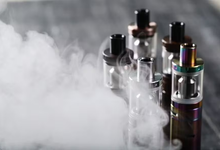
Despite the overwhelming physical presence of vape shops on modern high streets, pop culture and youth fashion are experiencing a massive shift toward “nicotine nostalgia,” rejecting the clinical look of vapes in favor of the retro, cinematic glamour of traditional analogue cigarettes.
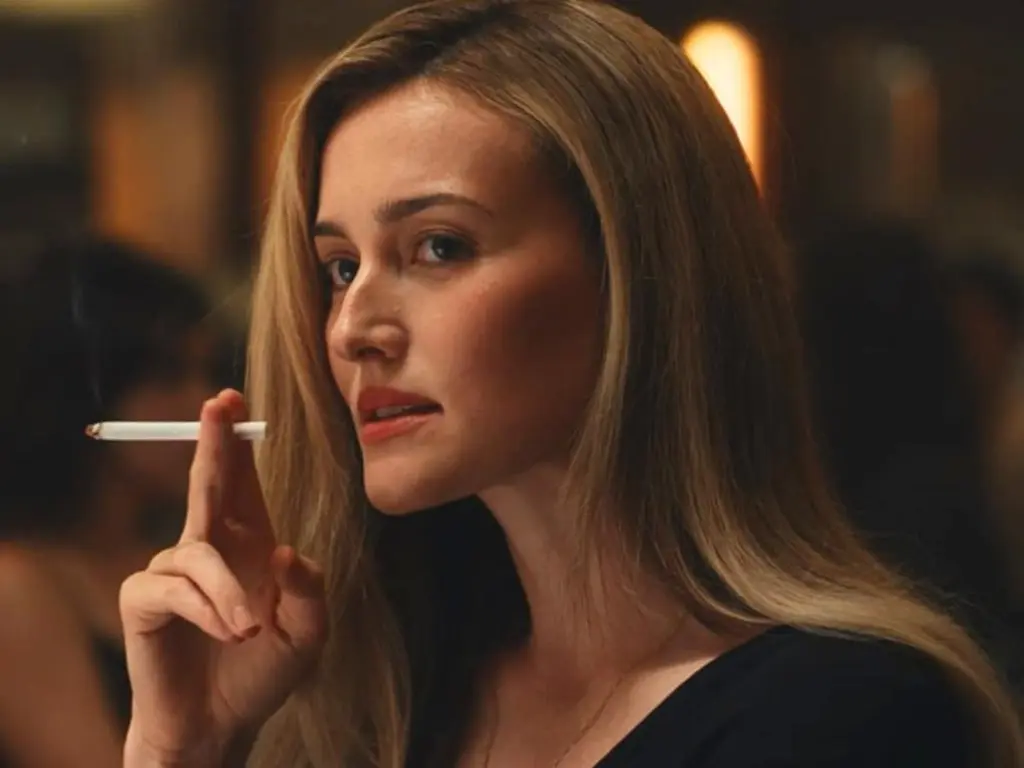
- Aesthetic Rejection: Cultural commentators and actors are dismissing vapes as desperate and unglamorous, comparing them to “USBs or car parts.”
- Cinematic Resurgence: Recent hit films and series are increasingly featuring characters smoking traditional cigarettes to convey an “icy-cool” or unhinged aesthetic.
- Cultural Escapism: The embrace of analogue smoking is tied to a broader societal retreat into 90s nostalgia, driven by exhaustion with the contemporary post-COVID world.
- Nightlife Shift: Observations of 2026 nightlife show a distinct trend of young adults abandoning vapes for traditional cigarettes, reviving a “heroin chic” minimalism.
A noticeable cultural shift is underway across global nightlife and media as traditional analogue cigarettes reclaim their status as a symbol of “retro chic.” Driven by a collective exhaustion with the present moment and a deep craving for 90s nostalgia, the aesthetic appeal of old-fashioned smoking is rapidly overshadowing the ubiquitous, yet profoundly unglamorous, vape.
Physically, vapes remain everywhere. In urban cultural hubs—like Newtown’s King St in Sydney—retail spaces have been completely inundated by tobacconists selling little plastic nicotine dispensing machines. Yet, there is one crucial space where vapes have failed to dominate: the screen.
While smartphones seamlessly integrated into modern storytelling, vapes have largely been shut out. Aside from rare appearances in gritty projects like the sci-fi horror Possessor or the crime drama Mare of Easttown, characters seeking a nicotine hit are overwhelmingly reaching for analogue darts.
The core issue is that vapes simply lack aesthetic appeal. Actress Jemima Kirke perfectly summarized this unaesthetic quality, noting that vaping projects a sense of desperation rather than style.
“This isn’t glamorous. It’s like you’re pressing a button in the hospital for more drugs,” Kirke observed. “And they look horrible. They look like USBs or car parts.”
Conversely, traditional cigarettes have functioned as a cinematic shortcut for glamour and rebellion since the dawn of film. From 1940s femme fatales to brooding 1970s action heroes, the visual language of smoking is deeply ingrained in pop culture. Today, modern cinema is leaning heavily back into this imagery:
- Challengers: Josh O’Connor’s anti-hero memorably scrambles for a half-smoked cigarette discarded by Zendaya’s character.
- Materialists: Celine Song’s film uses a traditional cigarette to establish the impenetrable, icy-cool demeanor of its lead.
- Love Story: Ryan Murphy’s depiction of Carolyn Bessette smoking on a Manhattan windowsill has instantly become a contemporary mood board staple.
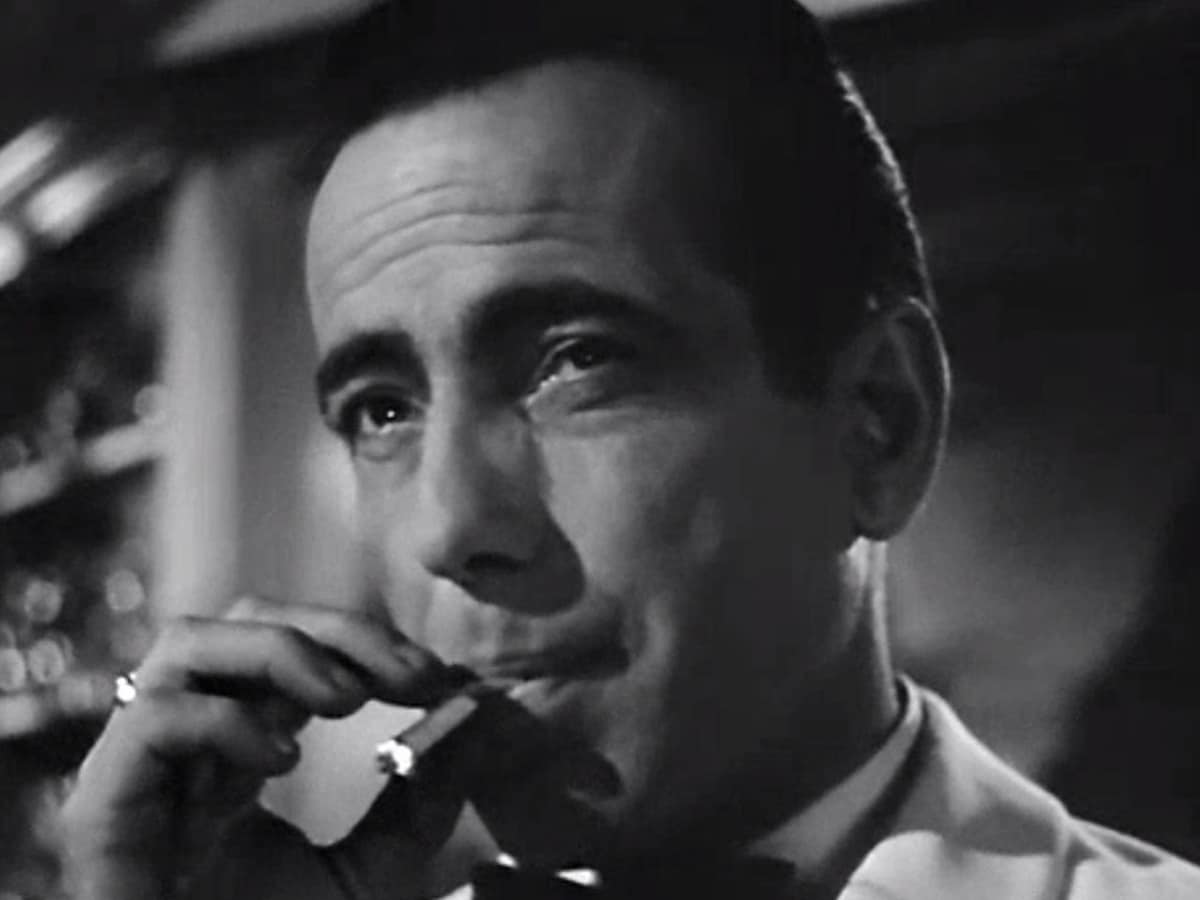
This “nicotine nostalgia” is not an isolated quirk; it is a symptom of a broader cultural retreat. Documentarian Adam Curtis recently highlighted a pervasive cultural cringe away from examining our current era. Exhausted by the realities of the post-COVID world, creators and audiences alike are running from the present.
This escapism manifests in how contemporary media is constructed. Shows like The Bear are set today but are styled with an 80s aesthetic and 90s character dynamics. Meanwhile, series like White Lotus focus on wealthy elites trapped in protective bubbles, entirely disengaged from modern societal struggles.
This exhaustion with the present has trickled down directly to youth culture. Outside nightclubs in 2026, a distinct shift is visible: young adults are putting away their plastic vapes and lighting up old-fashioned analogue cigarettes.
While health authorities continue to warn that smoking causes severe cardiovascular disease and cancer, the cultural tide is currently prioritizing aesthetics over health warnings. The trend marks a definitive return to the 90s minimalism and “heroin chic” that once dominated the fashion world.
Cigarettes have successfully rebranded themselves as nostalgic artifacts. They offer a retro aesthetic that wraps users in the illusion of a simpler, cooler time. While the cultural pendulum may eventually swing back to vapes in a decade, for now, the analogue cigarette has reclaimed its crown as the ultimate accessory of the disaffected youth.
*Editor’s Note: This article examines cultural trends and does not endorse the use of tobacco or vaping products. Smoking causes serious harm. If you need support to quit, please contact your local health authorities or cessation programs.