Senior officials at the U.S. Food and Drug Administration (FDA) were blindsided by a newly published policy that permits unauthorized electronic cigarettes and nicotine pouches onto the market before completing regulatory reviews. Published just prior to former FDA Commissioner Marty Makary’s resignation, the guideline marks a drastic departure from longstanding public health protocols.
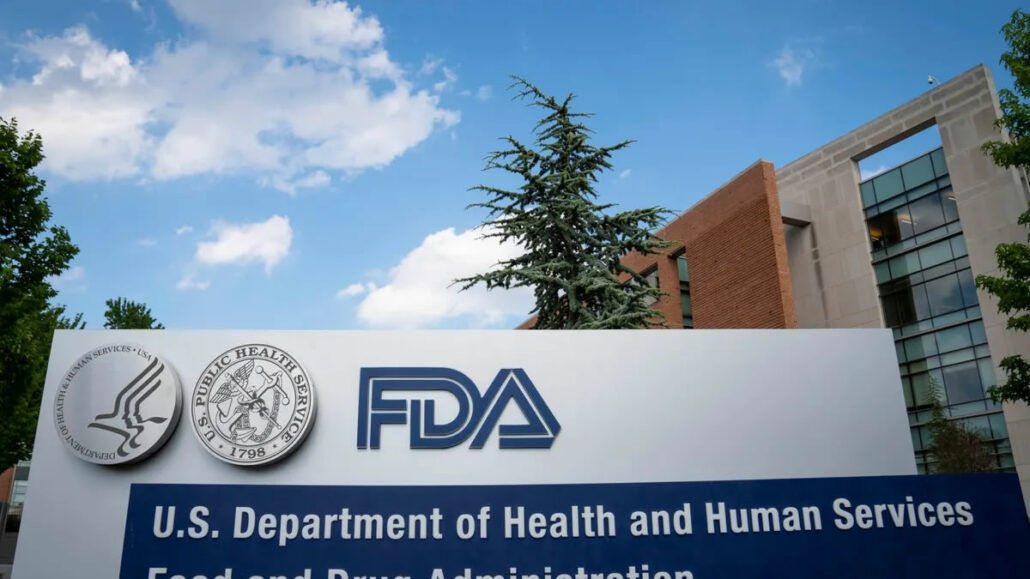
According to agency insiders, staff members tasked with enforcing vaping regulations were excluded from drafting the six-page memo. Many only learned of its existence the night before it was officially published, sparking immediate internal confusion regarding who authorized the directive.
The sudden policy shift has raised serious questions about institutional integrity. Mitch Zeller, the FDA’s tobacco director until 2022, noted that bypassing subject matter experts suggests the policy may have been forced through despite internal opposition, threatening public trust in the agency.
A Shift in Regulatory Strategy
For over a decade, the FDA has strictly required scientific verification of a product’s health benefits for smokers before allowing it on shelves. The new guidelines bypass this requirement, establishing a system of “enforcement discretion” for products still undergoing review.
| Regulatory Aspect | Traditional FDA Policy | New FDA Guidance |
|---|---|---|
| Market Entry | Products must be fully vetted and authorized before sale. | Certain unauthorized products can launch while under review. |
| Flavor Restrictions | Strict rejection of sweet, fruit, and candy flavors to protect youth. | Greater openness to authorizing and tolerating flavored products. |
| Enforcement Priority | Broad targeting of unauthorized flavored vapes. | Focused targeting of youth-appealing designs (e.g., toy-like shapes). |
The policy change follows intense lobbying from industry groups close to the White House. While health advocates express concern, supporters argue the approach offers adult smokers viable, evidence-based alternatives to combustible tobacco while youth vaping rates sit at a ten-year low.
The Battle Over Flavors and Market Reality
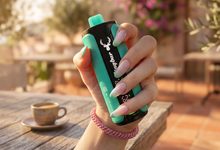
The FDA has historically struggled to control the U.S. vaping market, rejecting millions of flavor applications while authorizing products from just five companies. Despite these restrictions, gas stations and convenience stores remain flooded with unauthorized, disposable flavored vapes, largely smuggled from China.
Industry giants like Juul argue that the choice is no longer whether flavored vapes should exist, but whether they should be legally regulated or left to illicit, untested black markets. Shortly before the new guidelines were posted, the FDA approved its first fruit-flavored vapes (mango and blueberry) utilizing digital age-verification technology.
Rather than attempting to police all unauthorized flavors, the FDA’s new strategy focuses resources on the “worst actors”—specifically targeting products designed to look like toys or otherwise appeal directly to children.
Winners and Losers in the Vaping Industry
The new guidance is expected to create a sharp divide within the industry. Because “enforcement discretion” only applies to products currently under active “scientific review,” the policy inherently favors multinational tobacco companies.
Major players like Altria and Reynolds American have the immense financial and scientific resources required to advance applications to this stage. Conversely, hundreds of smaller vape companies and importers fear they will be left behind, effectively clearing the market of major competitors for big tobacco.