
Researchers from the University of California San Diego have confirmed that local sales bans on flavored tobacco effectively reduce youth e-cigarette use without increasing traditional smoking. This development occurs amidst intense national debates over nicotine regulation, directly resulting in robust, data-driven evidence supporting the efficacy of flavor restrictions.
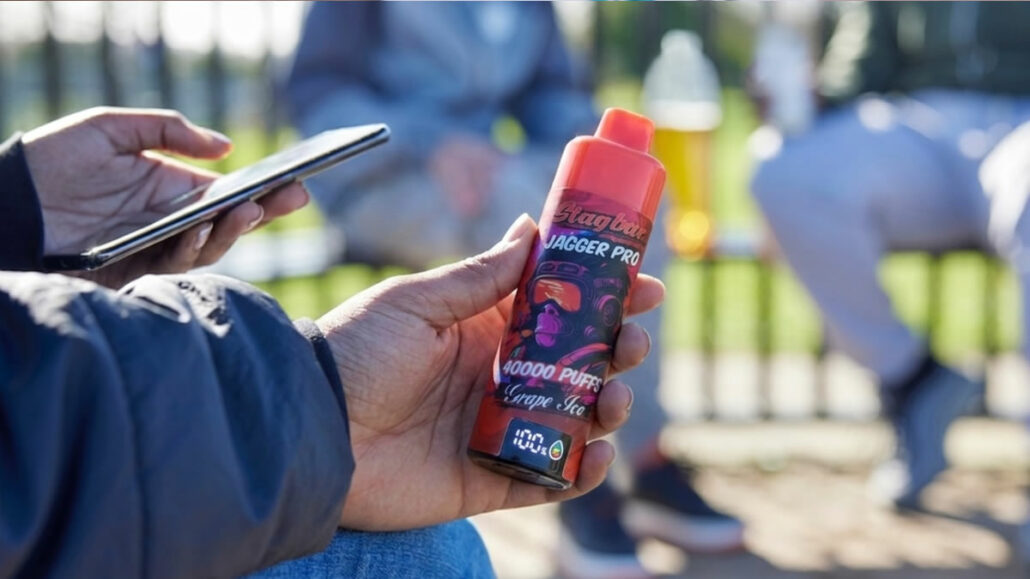
Analyzing the Impact of Flavor Bans on Youth
Published on April 10, 2026, in the medical journal JAMA Health Forum, the study provides a critical look at how local policies shape adolescent behavior. Electronic nicotine delivery systems (ENDS) have been widely used by teens, with national data showing a peak in 2019.
To understand if restricting fruit, candy, and mint flavors actually works, the UC San Diego research team analyzed the California Healthy Kids Survey. They reviewed data from over 2.8 million students in grades 7, 9, and 11 collected between 2017 and 2022.
The researchers utilized a “dynamic difference-in-differences design.” This advanced methodology allowed them to track how outcomes changed over time across different cities, rather than just relying on a simple before-and-after snapshot.
Debunking the Cigarette Substitution Myth
A primary argument used by opponents of flavor bans is that removing flavored vapes will force nicotine-addicted youth to transition to far more dangerous traditional cigarettes. This study found zero evidence to support that claim.
“Importantly, we did not find evidence that these policies led young people to switch to cigarettes, which has been a major concern raised in policy debates,” stated Eric Leas, PhD, MPH, assistant professor at the UC San Diego Herbert Wertheim School of Public Health and senior author of the study.
| Jurisdiction Type | Youth E-Cigarette Use Rate | Impact on Traditional Smoking |
|---|---|---|
| With Flavored Tobacco Ban | 6.2% | No meaningful increase. |
| Without Flavored Tobacco Ban | 7.7% | Remained roughly the same. |
Why Time and Enforcement Matter
The study highlighted that the reductions in youth vaping were not always immediate. Instead, they were associated with sustained, long-term declines.
This delayed effect likely reflects how local policies evolve. Many jurisdictions gradually strengthened their rules after initial adoption, expanding definitions of flavored products and adding stricter enforcement provisions. Resources for enforcing these laws also grew over time, maximizing their public health impact.
California as a Blueprint for Tobacco Control
California voters approved a statewide flavored tobacco sales ban in 2022, which officially took effect in 2023. Because many California cities had implemented their own local restrictions years earlier—some as far back as 2011—the state provided a unique, long-term testing ground for the researchers.
Giovanni Appolon, MPH, the study’s first author, noted the importance of this localized data. “Local policies gave us a valuable window into how flavored tobacco restrictions may influence youth behavior over time,” he said.
While the authors acknowledge that California historically has strong tobacco control policies and lower youth smoking rates than other states, the data sends a clear message to policymakers nationwide. As more jurisdictions consider adopting flavor bans, continued monitoring will be essential to see how enforcement and community context shape the ultimate public health outcomes.