
As health awareness rises in Indonesia, experts and recent scientific studies point to alternative tobacco products as a viable harm-reduction tool due to the absence of combustion.
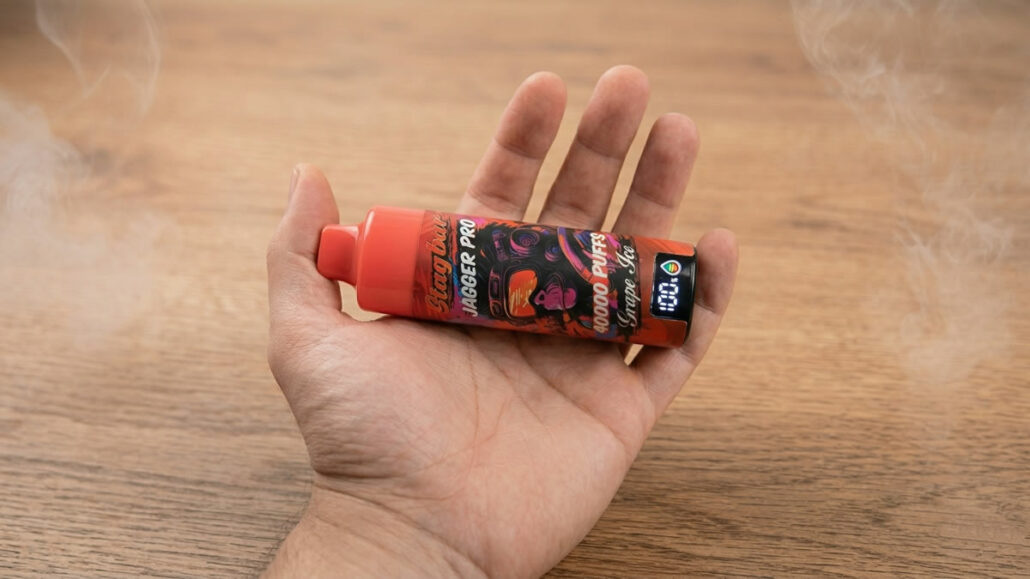
A recent public discussion in South Tangerang highlighted the growing shift among Indonesian adult smokers toward alternative tobacco products like e-cigarettes and heated tobacco. Supported by research from the National Research and Innovation Agency (BRIN) and international studies in The Lancet, experts emphasize that eliminating combustion significantly reduces toxic exposure, though responsible usage and public etiquette remain crucial.
The Science of Harm Reduction: Heating vs. Burning
The fundamental difference between conventional cigarettes and alternative tobacco products lies in the delivery mechanism. Garindra Kartasasmita, Chairman of the Free TAR and Smoke Movement (GEBRAK), explained during a recent public forum that combustion is the primary driver of smoking-related harm. E-cigarettes, conversely, operate by heating a nicotine-infused liquid into a vapor, bypassing the burning process entirely.
This mechanical difference translates directly into reduced risk. Research conducted by Indonesia’s National Research and Innovation Agency (BRIN), utilizing World Health Organization (WHO) standards, confirms that e-cigarettes contain significantly lower levels of toxicants than combustible cigarettes. This aligns with international data published in The Lancet, which found that adult smokers who transitioned entirely to e-cigarettes for 30 days experienced short-term improvements in respiratory function comparable to those who quit smoking completely.
Personal Experiences and Public Etiquette
Beyond the clinical data, personal testimonials underscore the practical benefits of switching. Mamet, a former smoker who transitioned to vaping in 2019, noted substantial lifestyle improvements. “First, regarding appearance, my teeth are no longer yellow like they used to be when I was smoking. Body odor and clothes are also cleaner,” he shared.
However, Kartasasmita and other advocates stress that “lower risk” does not mean “no risk,” and that social responsibility is paramount. Users are urged to practice proper etiquette: avoiding vaping in restricted areas, directing vapor upwards, and seeking permission when in close proximity to others.
A Path Forward for Adult Smokers
The growing acceptance of alternative tobacco products in Indonesia reflects a pragmatic approach to public health. By acknowledging the reduced toxicant profile of non-combustible products, adult smokers are provided with a viable pathway away from traditional cigarettes. However, the success of this harm-reduction strategy relies heavily on accurate public literacy. As advocates emphasize, consumers must rely on validated scientific sources rather than unverified digital rumors to make informed decisions about their health.